
Storage container moving companies deliver portable, weather-sealed containers to your address, let you load once, then transport or store the unit until you’re ready for redelivery. For families and businesses in Ras Al Khor, this door-to-door model reduces handling, speeds timelines, and pairs perfectly with Service Zone UAE’s packing, moving, and storage support in Dubai.
By Mohammed Ali — Owner, Service Zone UAE
Last updated: May 30, 2026
Quick Summary
Portable storage moving uses on-site containers delivered to your driveway or curb. You load once, the provider transports or stores the unit, and redelivers when you’re ready. It limits handling, adds scheduling flexibility, and pairs well with professional packing—ideal for Dubai homes, villas, and offices planning phased or international moves.
This complete guide shows how containerized moves work in Dubai, when they beat traditional approaches, and how Service Zone UAE coordinates everything—from delivery and safe loading to storage and redelivery—so you can stage, renovate, or relocate with less stress and fewer touchpoints.
- Understand how portable containers reduce damage risk and save time
- See container sizes, service levels, and ideal use cases
- Get a step-by-step process, timeline, and packing checklist
- Plan for Dubai-specific access rules, elevator windows, and curb space
- Compare containers versus trucks and DIY rentals in one table
What Is Portable Storage Moving?
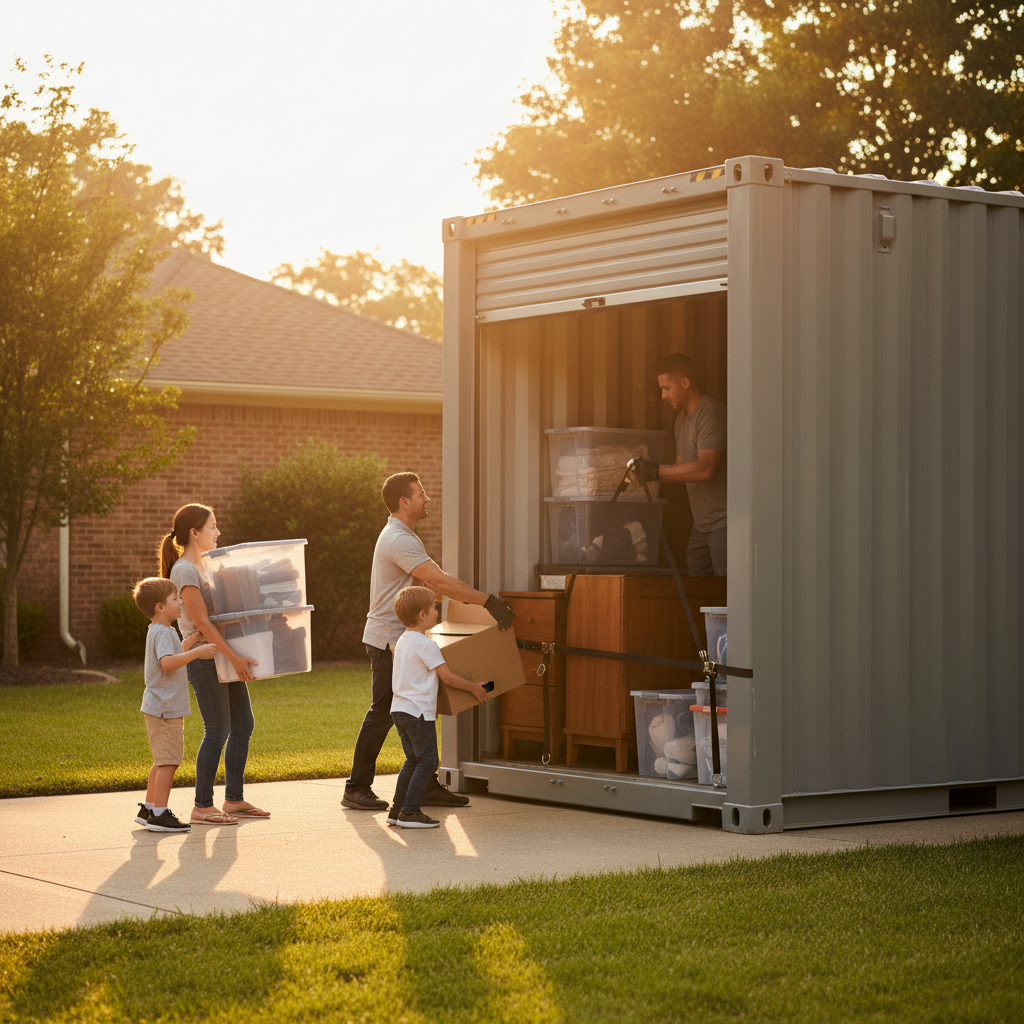
Portable storage moving is a door-to-door relocation method that brings a weather-sealed container to your address. You or pro movers load once, the unit is locked and transported to your new location or a secure facility, then redelivered on your schedule—cutting handling steps and risk.
Here’s the thing: packing and loading in one fixed day creates pressure, especially in high-rise buildings. With containers, you spread work across 1–3 days, align with elevator bookings, and keep essentials accessible. We’ve found that a single 12–16 ft unit typically fits 2–3 furnished rooms when boxes are packed tightly and rows are strapped.
Service Zone UAE coordinates container delivery, protective packing (pads, corner guards, and shrink wrap), and transport for homes, villas, and offices. For international plans, our team preps export-grade inventories and destination handoffs so your timeline stays intact.
Why Portable Containers Matter in Dubai
Containers matter in Dubai because they ease elevator congestion, reduce heat-exposure rushes, and streamline phased renovations. In neighborhoods like Oud Metha and the broader Ras Al Khor area, curbside loading and fewer touchpoints help keep approvals, timing, and belongings under control.
Dubai buildings often require elevator reservations, security letters, and strict loading windows. A container model lets you tackle packing earlier, then move on the exact day your approvals clear. Morning and evening loading windows also protect crews and items from midday heat, which is when adhesives, foams, and finishes can soften.
We regularly schedule 2–3-hour loading sessions across consecutive days so residents can declutter, stage, and label boxes room by room. For offices, containers support weekend changeovers that keep weekday downtime minimal—often the difference between a rushed move and a planned transition.
How Storage Container Moving Companies Work
Container providers deliver a unit, you load (or hire pros), then they pick up, store, or deliver to your next address. The core steps are site check, container placement, protection and loading, seal-and-dispatch, transport or storage, and scheduled redelivery—aligned with building access rules.
- Site check: Confirm space, surface, and door-clearance. Mark a 10–12 ft curb zone for smaller units; more for 20 ft.
- Placement: Ground-level surfaces are ideal. Keep 3–4 ft clearance in front of doors for safe ramps and dollies.
- Protection: Pad-wrap furniture; use dish packs for kitchenware; strap tiers every 12–18 inches of vertical build.
- Inventory: Photograph high-value items; label boxes by room and content category.
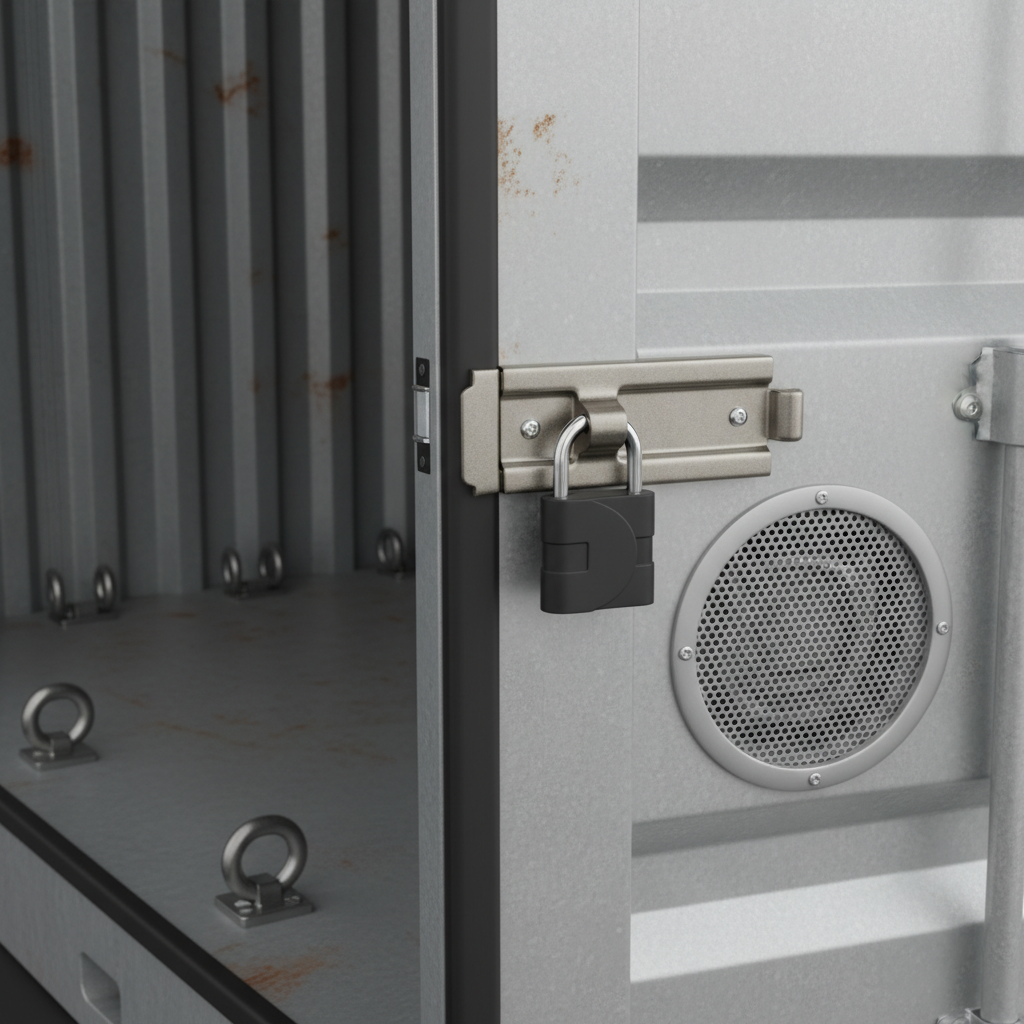
- Seal & dispatch: Lock, record seal numbers, and log pickup confirmation.
- Transport/storage: Move directly or stage in a monitored facility with humidity controls.
- Redelivery: Coordinate elevator windows, loading docks, and curb reservations at destination.
Process at a glance (table)
| Step | Who Handles | Typical Window | Notes |
|---|---|---|---|
| Site check | Provider + you | 15–30 min | Measure curb space, door swing, and ramp angle |
| Container drop | Provider | 30–45 min | Leave 3–4 ft door clearance; chock wheels if required |
| Packing & loading | You or movers | 1–3 days | Build from heavy to light; strap each row |
| Seal & pickup | Provider | 15–30 min | Record seal number and photos for claims control |
| Transport/storage | Provider | Same day–weeks | Storage helps during renovations or key handover gaps |
| Redelivery | Provider | 30–60 min | Align with elevator bookings and building rules |
Want a complete move handled end-to-end? See our local moving services guide and how we integrate packing, container loading, and final setup.
Types of Containers and Service Levels
Common sizes include 8–10 ft mini units for studios, 12–16 ft for most apartments, and 20–40 ft for villas or offices. Service levels range from DIY loading to full-service packing, plus add-ons like climate-controlled storage, export crating, and detailed inventories for international moves.
Size choice hinges on access, inventory, and timeline. Mini units navigate tighter lanes; a 12–16 ft standard unit often handles a 1–2 bedroom apartment; 20–40 ft options fit villas, multi-room offices, or combined households. We’ll audit your list, then recommend a single unit or staged multiples to match your elevator windows.
- DIY: You pack and load; we deliver and transport.
- Hybrid: You pre-pack; our crew handles furniture, fragile items, and strapping.
- Full-service: We pack, protect, load, store, transport, and set up rooms.
- Add-ons: Storage by the week or month, humidity control, export prep, and room-labeled inventories.
Planning an overseas move? Our cargo shipping overview explains documentation and handoffs when containers form part of a broader international plan.
Choosing a Provider in Oud Metha and Ras Al Khor
Choose a provider with proven building coordination, secure storage, and trained packing teams. In Oud Metha and Ras Al Khor, prioritize elevator booking experience, curbside permitting knowledge, and vetted drivers. Ask for written SOPs, photo-inventories, and evidence of load protection.
In our experience, three signals predict a smooth containerized move:
- Access know-how: Providers should show building-specific elevator rules and loading-bay protocols.
- Storage quality: Look for monitored facilities and humidity management for furniture and documents.
- Trained crews: Consistent use of pads, corner protectors, and straps—no shortcuts.
For residential moves, see how we stage packing and setup in our residential moving guide. If you’re moving across emirates or out of state, our long-distance movers guide outlines the documentation and timing checkpoints to avoid last-minute surprises.
Best Practices for Packing and Loading
Use sturdy boxes, pad-wrap furniture, and strap rows tightly to prevent shifts. Build tiers from heavy to light, keep walkways clear, and create moisture buffers for sensitive items. Photograph valuables before sealing; use a printed box index and clear labeling by room.
- Boxes: Double-wall for books and dish packs for kitchenware; keep max weights manageable for safe lifting.
- Furniture: Pads, corner guards, and stretch wrap; remove shelves and secure doors to avoid shifts.
- Appliances: Transit bolts for washers; defrost and dry fridges 24 hours ahead.
- Electronics: Use original boxes or foam-lined cartons; keep cables in labeled pouches.
- Strapping: Every 12–18 inches of vertical build; add cross-straps at the midline.
- Moisture: Desiccants for art, fabrics, and documents; avoid sealing damp items.
We bring door jamb protectors, neoprene floor runners, and anti-slip ramp mats. These small safeguards reduce scuffs and boost crew speed—especially helpful in buildings with narrow service corridors.
Tools and Resources
Plan with a room-by-room checklist, a container size estimator, and a building-access timeline. Use moving blankets, ratchet straps, dollies, neoprene floor runners, and door jamb protectors. Confirm elevator windows early and reserve curb space with building security.
- Estimator: Inventory large pieces first; then estimate box counts per room (kitchen leads).
- Checklist: Start pre-packing 10–14 days out; label by room and content type.
- Access plan: Book elevators; obtain security letters and any insurance certificates required.
- Safety: Gloves, back support, and spotters on ramps; hydrate and schedule cool-hour loads.
When you’re ready to book dates and confirm scope, our team provides a single coordinator who keeps approvals, schedules, and inventory in sync. For fast quotes, start with our local moving quotes checklist.
Process and Timeline You Can Trust
Most Dubai container moves follow a set rhythm: book 2–3 weeks ahead, pre-pack for 7–10 days, load over 1–3 sessions, then transport or store before redelivery. This cadence aligns with building approvals and gives families time to sort essentials without rushing.
- Booking (Day 0): Reserve container, confirm access rules, and share inventory.
- Pre-pack (Days 1–10): Box non-essentials first; stage fragile items for pro wrapping.
- Load (Days 11–13): One to three sessions matching elevator windows; strap each tier.
- Transport/Store (Days 13–20): Direct move or short-term storage during key handover.
- Redelivery (Days 20–30): Align with destination access; set up rooms by priority.
We’ve seen families cut unpacking time by 25–35% when boxes are labeled with both room and first-use (e.g., “Kitchen — breakfast set”). Small labeling habits create outsized time savings on move-in day.
Dubai Access, Compliance, and Building Coordination
Success in Dubai hinges on access planning: elevator windows, dock rules, and curb reservations. Share building guidelines early, secure security letters, and confirm insurance requirements. Strong coordination prevents re-delivery delays and keeps your timeline intact.
- Elevator bookings: Many buildings require reservations and security approval; allow buffer time.
- Loading docks: Some towers restrict peak hours; align sessions with permitted times.
- Curb space: Reserve a 10–12 ft stretch for small units; more for 20 ft containers.
- Documentation: Have IDs, approvals, and any insurance certificates on hand at both ends.
Our coordinators keep a shared checklist with elevator times, parking maps, and contact info for building security. That real-time view avoids last-minute rescheduling cascades that can ripple through your entire move.
Containers vs. Other Moving Methods
Portable containers reduce handling and add schedule flexibility, while traditional trucks emphasize single-day speed and crew muscle. Self-drive rentals can lower fees but raise risk and effort. Choose based on access constraints, timeline, and how much hands-on help you want.
| Method | Strengths | Trade-offs | Best for |
|---|---|---|---|
| Portable containers | Fewer touchpoints; flexible schedule; easy staging | Requires curb/driveway space; multi-day flow | Apartments with elevator windows; villa renovations |
| Full-service truck move | Single-day speed; crew does the lifting | Less flexible timing; more handling steps | Access-friendly buildings; urgent timelines |
| Self-drive truck | Hands-on control; potential savings | High effort; higher damage and fatigue risk | Small inventories; ground-floor access |
For a deeper dive into line-haul and customs planning, see our cargo shipping guide for Dubai, which pairs well with containerized staging before export.
Risks and How to Mitigate Them
The big risks are poor strapping, moisture buildup, and access delays. Mitigate them with proper tiers and tie-downs, desiccants for sensitive items, and early elevator bookings. Photo-inventory valuables and capture seal numbers to streamline any claims process.
- Shifts in transit: Build from heavy to light; strap each row; add cross-straps midline.
- Humidity: Dry fridges and fabrics; use desiccants; avoid sealing damp items.
- Access surprises: Confirm elevator and dock rules; keep security contacts handy.
- Documentation gaps: Photograph high-value items; save serials and seal numbers.
We maintain a photo trail from loading through seal-and-dispatch. That record keeps everyone aligned and helps resolve questions quickly at delivery.
Case Studies and Local Examples
Service Zone UAE uses containers for villas, apartments, and offices that need flexible timelines. Results: fewer handling steps, smoother building coordination, and faster setup. In our experience, photo-inventories and tight strapping cut issues and speed room-by-room placement at the destination.
Example A — Oud Metha apartment: Two 12–16 ft containers staged over three evenings to match elevator windows. Boxes were labeled by room and “first-use,” so the kitchen ran the first morning in the new place. Timeline stayed on track despite a dock blackout period.
Example B — Ras Al Khor villa: One 20 ft container for furniture and another for renovation storage. We rotated rooms, kept sawdust away from stored items, and redelivered in two drops—living areas first, bedrooms second—so the family could normalize week one.
Example C — Office relocation: A phased move with weekend loading and mid-week redelivery. Inventory lists mapped workstations to container zones, cutting setup time for IT and reducing seat misassignments on day one.
For broader residential planning tips, our residential moving guide covers decluttering flows and room sequencing that pair well with containers.
Frequently Asked Questions
Portable container moving is flexible, but planning matters. These quick answers cover timing, what you can store, access limitations, and how to coordinate with building management in Dubai.
What can’t I load into a portable container?
Avoid perishables, flammables, compressed gases, corrosives, and live plants. Check local rules and your provider’s list of restricted items before packing. When in doubt, ask your coordinator for a current do-not-pack list.
How far in advance should I book a container?
Two to three weeks is common in Dubai, especially if your building requires elevator reservations or security letters. Earlier is better during peak moving months and holiday periods to lock in curb space and crew availability.
Do containers work for international moving?
Yes—with export packing, documentation, and destination handling set up. Work with a provider that manages inventories, customs paperwork, and destination delivery so your container path stays seamless end to end.
Local considerations for Oud Metha
- Schedule drops around activity near Oud Metha Metro Station to keep curb space open for safe placement.
- Beat the midday heat by loading early morning or early evening; adhesives and finishes fare better in cooler hours.
- Ask building security about curb reservations—traffic near Karama Centre can spike on weekends and event days.
Free Move Plan & Container Fit Check
Not sure which container size or flow fits your building? We’ll map your rooms, align elevator windows, and suggest a right-sized container plan. You get a clear timeline, inventory approach, and delivery dates that match approvals—no guesswork.
Speak with Service Zone UAE’s coordinator to align access rules with a practical load plan. Our team also handles handyman fixes, AC servicing, and touch-ups after move-in, so your space feels ready faster.
Key Takeaways
Containers simplify moves by reducing handling and spreading work across manageable sessions. Match container size to your access and inventory, plan for elevator windows, and strap every tier. With one coordinator managing timelines, you’ll relocate or renovate with far less friction.
- Book 2–3 weeks ahead to secure elevator windows and curb space.
- Use double-wall boxes, furniture pads, and cross-straps to prevent shifts.
- Stage fragile items for pro wrapping; label boxes with room and first-use.
- Consider short-term storage to bridge key handovers or renovations.
- Coordinate one end-to-end plan covering packing, loading, storage, and setup.
Conclusion and Next Steps
Portable storage containers give you timing control and fewer handling steps—powerful advantages in Dubai’s access-controlled buildings. With expert packing and tight coordination, you’ll keep schedules intact and belongings protected from pickup to final placement.
If you’re weighing containers versus a traditional truck move, we can help you choose based on your building rules, inventory, and timeline. Start a quick plan today and we’ll map a right-sized container, elevator windows, and a calm, step-by-step path from Ras Al Khor to your next address.
Helpful resources for context: Explore a general moving-and-storage listings index here, and sample industry posts like this overview and this short guide for broad perspectives on move planning and checklists.