
Bathroom renovation is the complete upgrade of a bathroom’s layout, waterproofing, plumbing, electrical, ventilation, and finishes to improve function, safety, and style. For Ras Al Khor homeowners working with Service Zone UAE, a well-planned bathroom remodel streamlines daily routines, reduces moisture problems, and boosts long-term home value.
By Mohammed Ali — Owner, Real estate Specialist
Last updated: 2026-06-12
Overview
This complete guide explains how to plan, design, and deliver a code-conscious bathroom renovation in Dubai. You’ll learn the step-by-step build sequence, waterproofing methods, safe plumbing and electrical upgrades, ventilation sizing, tiling practices, SPC flooring use, storage ideas, accessibility options, timelines, and quality checks.
Many Dubai homeowners start with style boards but run into moisture, layout, or sequencing issues later. This guide organizes the entire journey—from first sketch to final punch list—so you can anticipate decisions, schedule trades in the right order, and avoid budget-impacting rework.
- What bathroom renovation really includes (beyond tiles and paint)
- How to plan scope, sequence trades, and avoid hidden risks
- Best-practice waterproofing, ventilation, plumbing, and electrical
- Finishes that handle Dubai’s climate and daily wear
- Accessibility, storage, and space-making upgrades that actually work
Local considerations for Oud Metha
- Renovation deliveries are easier when coordinated outside peak hours near Oud Metha Metro Station; book elevator time for high-rise apartments.
- Summer humidity amplifies mold risk—run ventilation during and after showers; plan for maintenance-friendly fans and duct runs.
- Tight urban parking and building rules mean clearer day-by-day schedules; confirm building NOCs before demolition and wet-work.
What is bathroom renovation?
Bathroom renovation is a coordinated rebuild of wet-area systems—waterproofing, plumbing, electrical, ventilation—and visible finishes to improve safety, durability, and function. It typically includes demolition, layout tweaks, rough-ins, waterproof membranes, tiling or SPC flooring, fixtures, lighting, and a final quality check.
Think of a bathroom like a small mechanical room wrapped in finishes. The hidden layers determine longevity. Membranes stop leaks, correct slopes move water to drains, and proper ventilation limits condensation. Finishes come last, but their performance depends on everything beneath them.
Why bathroom renovation matters
Done right, a renovation reduces moisture damage, improves hygiene, saves water and energy, and elevates daily comfort. In fast-growing Dubai homes and rentals, reliable bathrooms also support property value, tenant satisfaction, and fewer emergency repairs over the long run.
Moisture is relentless. Over time it exploits gaps in grout, seams around niches, and poorly ventilated corners. A renovation lets you correct underlying issues: continuous waterproofing, sloped pans, sealed penetrations, balanced water pressure, and GFCI-protected outlets, all tied to a properly sized exhaust fan.
Planning your bathroom renovation in Dubai (Oud Metha & Ras Al Khor)
Plan scope, logistics, and approvals before demolition. In Oud Metha and the wider Ras Al Khor area, coordinate building permissions, elevator bookings, and delivery slots, then sequence demolition, rough-ins, waterproofing, tiling, and fixture install. A reliable plan prevents delays and budget surprises.
We begin with a measured survey and photos. We confirm structural and plumbing constraints, pressure and temperature balance, electrical load, and vent paths. We align selections—tile format, SPC plank, fixtures, lighting—so lead times fit the schedule. Clear sequencing minimizes tile lippage, patchwork fixes, and return visits.
Scope checklist (align early)
- Layout changes: new shower size, tub-to-shower conversion, door swing, niche locations
- Systems: waterproofing type, drain style, vent route, GFCI locations, shutoff valves
- Finishes: tile size and grout color, SPC plank tone, trim profiles, mirror and lighting
- Storage: vanity drawers, recessed niche/s, mirrored cabinet, linen tower or open shelves
- Accessibility: clearances, curb height or curbless, grab-bar backing, lever handles
How bathroom renovations work (step by step)
A best-practice renovation follows a set order: protect spaces, demolish, reroute plumbing/electrical, prep and slope subfloors, waterproof, tile or install SPC, set fixtures, connect and test, then complete sealing and a punch list. This order limits rework and prevents moisture issues.
| Phase | Main tasks | Lead trade | Key quality checks |
|---|---|---|---|
| Protection & demo | Protect floors, dust control, remove fixtures, strip finishes | Renovation crew | Isolate utilities, photo-document structure |
| Rough-ins | Supply/Drain rework, wiring, fan ducting, blocking | Plumber/Electrician | Pressure/leak tests, GFCI circuits, solid backing |
| Substrate & slope | Level floors, 1/4″ per foot shower slope to drain | Tiler | Flat planes, consistent slope, clean corners |
| Waterproofing | Sheet/liquid membrane, seal penetrations and seams | Tiler | Continuous coverage, flood test where applicable |
| Tile / SPC | Dry layout, set & grout tile; click-lock SPC in dry zones | Tiler/Carpenter | Even joints, movement joints at perimeters |
| Fixtures & lights | Set vanity, lav/faucets, shower trim, accessories | Plumber/Electrician | No leaks, correct heights, tidy sealants |
| Seal & handover | Silicone, caulk, mirror, touch-ups, punch list | Renovation crew | Vent test, GFCI test, homeowner walkthrough |
Types, methods, and approaches
Bathrooms range from quick refreshes to full gut-and-rebuilds. Methods vary: tile-on-membrane showers, acrylic pans, or hybrid systems with SPC in dry zones. Choose an approach that fits structure, moisture exposure, and maintenance preferences—then align selections with the build sequence.
Common renovation types
- Cosmetic refresh: new paint, lighting, hardware, and mirror; no wet-area rebuild.
- Mid-scope upgrade: new vanity and toilet, retiled shower, fan upgrade, added storage.
- Full gut: layout changes, new rough-ins, floor leveling, continuous waterproofing.
Shower and wet-area systems
- Tile over waterproof membrane (sheet or liquid) with properly sealed seams and penetrations.
- Pre-formed acrylic/solid-surface base for a faster install and easier cleaning.
- Curbless showers require precise slope transitions and continuous membrane coverage.
Flooring options
- Porcelain/ceramic tile: durable, moisture-proof with correct grout and sealants.
- SPC (stone plastic composite): click-lock planks for dry zones; edge-seal at wet transitions.
- Natural stone: beautiful but needs diligent sealing and care.
Budget and scope factors (pricing without surprises)
Control budget by locking the scope early, sequencing trades correctly, and choosing systems that match your maintenance preferences. The biggest drivers are layout changes, waterproofing method, tile size, fixture quality, and ventilation requirements—not a single “per square foot” figure.
We avoid number guessing. Instead, we clarify structure, venting, plumbing reroutes, and finish selections first. That clarity prevents mid-project change orders. For additional planning ideas, see this practical bathroom reno budgeting guide and a detailed look at renovating older bathrooms.
Plumbing upgrades: pressure, protection, and performance
Reliable plumbing starts with shutoff access, balanced pressure and temperature, and leak-proof connections. Use proper slope for drains, P-traps at each fixture, sealed penetrations, and quality valves. Choose water-efficient fixtures and test all joints before closing walls.
Good plumbing feels invisible. Behind the wall you’ll want secure brackets, quiet lines, and accessible shutoffs. PEX or copper each work when installed and supported correctly. Fixture performance improves with pressure-balancing or thermostatic mixing valves and aerated faucets. Sealing escutcheons and niches keeps moisture out of walls.
What we verify before tiling
- Supply pressure and stability during simultaneous use
- Drain slope to prevent standing water and odors
- Shutoffs at toilet and under-sink; accessible cleanouts where applicable
- Fixture rough-in heights and spacing matched to your selections
Electrical and ventilation: safety first
Bathrooms need GFCI-protected outlets, dedicated lighting circuits sized to load, and an exhaust fan correctly ducted outdoors. A simple rule of thumb for small baths is roughly 1 CFM of exhaust per square foot, with quiet operation encouraging daily use.
Lighting layers matter: task lighting at the mirror, ambient lighting from the ceiling, and accent lighting for niches or toe-kicks. Ventilation performance depends on smooth ducts, sealed joints, and a short, direct run to the outside. Quiet fans run longer, pulling humidity down more effectively after showers.
Waterproofing and tiling: the durability layer
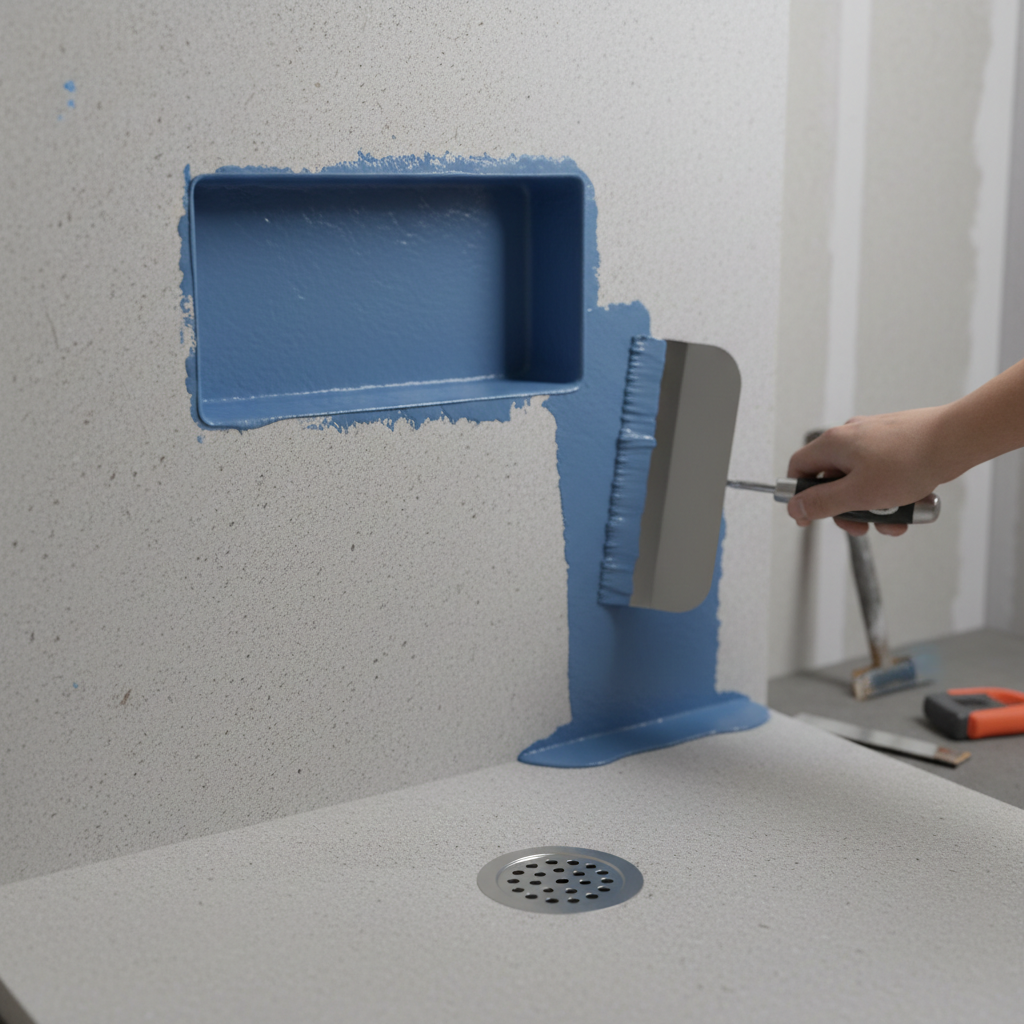
Continuous waterproofing is non-negotiable. Use sheet or liquid membranes over stable substrates, seal seams and penetrations, maintain a 1/4″ per foot shower slope, then set tile with even coverage. Proper movement joints and perimeter gaps prevent stress cracks over time.
Liquid membranes excel at complex shapes; sheets provide consistent thickness. Niches, benches, and corners receive special attention. Flood testing where appropriate confirms system integrity before tile. Grout choice matters—epoxy resists stains; cement-based can be sealed. Silicone seals transitions at vertical and horizontal changes of plane.
Using SPC flooring in bathrooms
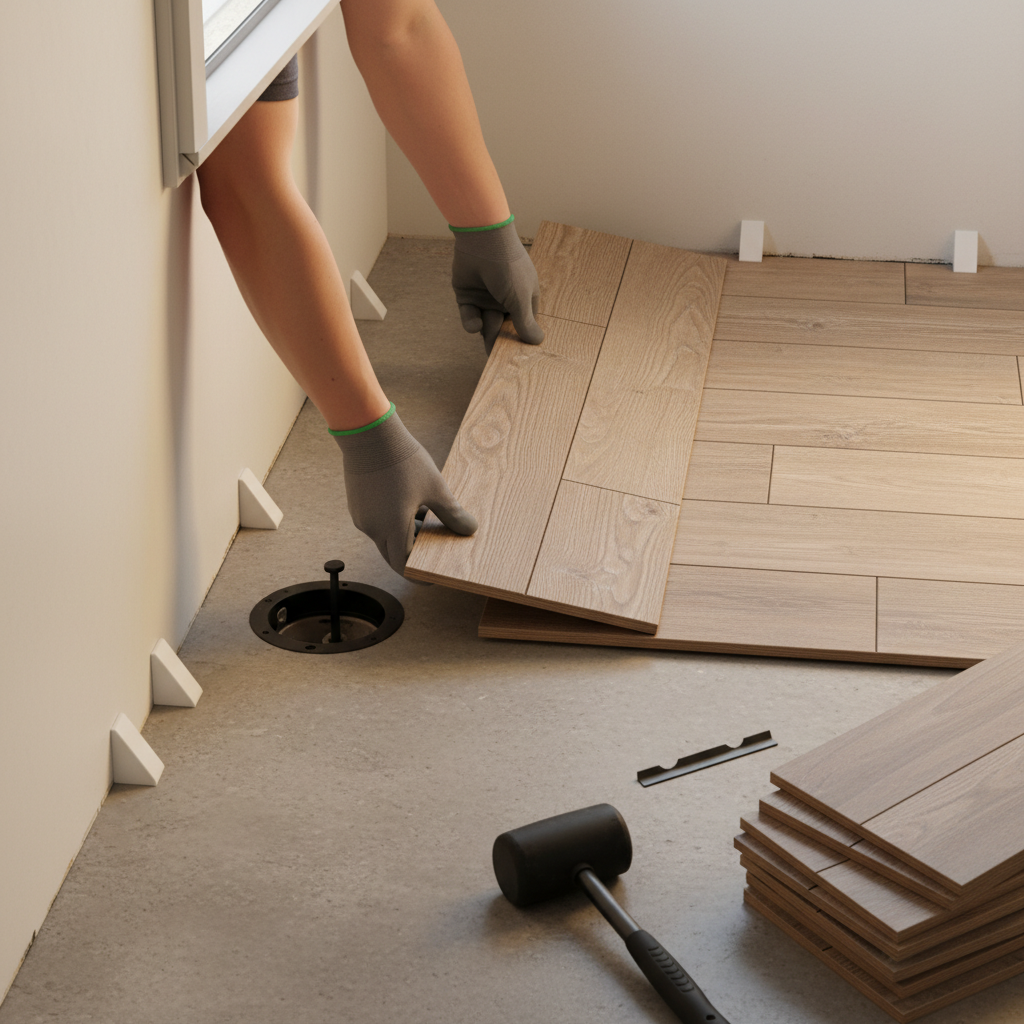
SPC (stone plastic composite) planks work well in bathroom dry zones when installed over flat, stable substrates with sealed edges. Transition carefully at wet thresholds, protect toilet flanges, and leave movement gaps at perimeters concealed by trim.
We often specify SPC for powder rooms and for dry regions of larger baths where warmth underfoot and fast installs help. Click-lock systems must sit on level surfaces; use a pull bar and mallet to lock seams. Maintain clearances under doors and use moisture-tolerant trims around tubs and showers.
Storage and space: make small bathrooms feel big
Maximize storage by building it into the walls and vanity. Recessed niches, mirrored cabinets, drawer-based vanities, and tall linen towers add capacity without crowding the room. Light tile, large mirrors, and clear glass amplify space and daylight.
In compact Oud Metha apartments, shallow vanities and pocket doors free clearances. A single large-format tile reduces grout lines and visual clutter. Floating vanities expose more floor area; under-cabinet lighting adds depth. Plan outlets inside vanities for hair tools and electric toothbrushes to keep counters clear.
Accessibility and safety upgrades
Design for all ages with wider clearances, curbless or low-curb showers, lever handles, and secure grab bars anchored to blocking. Non-slip textures underfoot and good lighting reduce slips, while handheld showers add flexibility for rinsing and seated use.
We add blocking behind walls during rough-ins so grab bars can mount solidly later, even if you’re not ready to install them yet. Handhelds on sliders fit family height differences. Matte or honed tile reduces slip risk. Contrasting grout or trim helps define edges for low-vision users.
Tools, materials, and resources
Select durable, climate-ready materials and essential tools. Reliable membranes, corrosion-resistant fasteners, quality valves, quiet fans, and LED lighting pay off in durability and comfort. Use layout tools—lasers, levels, and spacers—to keep lines straight and joints even.
- Materials: waterproof membrane (sheet/liquid), modified thinset, silicone, grout, backer board, SPC planks (dry zones)
- Fixtures: pressure-balanced shower valve, efficient faucet and toilet, quiet exhaust fan, layered lighting
- Tools: laser level, wet saw, trowels, spacers, pull bar and mallet for SPC, stud finder, caulking gun
For additional perspective on scope planning, skim this concise bathroom company guide that highlights small-space fixes.
Mini case studies from Dubai homes
Real-world examples clarify decisions. Here are three Dubai renovations that show how scope, logistics, and selections affect outcomes—an Oud Metha apartment refresh, a villa suite overhaul, and a washroom retrofit near a busy transit corridor.
Oud Metha apartment: compact shower upgrade
A one-bath apartment needed better storage and a drier floor outside the shower. We re-sloped the base to 1/4″ per foot, switched to a glass panel, added a recessed niche, and installed a quiet fan. Drawer-based vanity and mirrored cabinet doubled storage without enlarging the room.
Arabian Ranches villa: suite modernization
The primary suite received a curbless shower with linear drain, sheet membrane, and large-format wall tile. Thermostatic valve stabilized temperature during multi-fixture use. Matte textures and layered lighting elevated comfort; blocking for future grab bars was added during rough-ins.
Near Oud Metha Metro Station: office washroom retrofit
A dated office washroom needed durable finishes and faster turnover. We used an acrylic base for speed, liquid membrane on walls, and SPC in dry zones. A direct-vented fan improved air quality in a space with frequent use and limited windows.
Timeline, handover, and quality checks
Renovation speed depends on scope and approvals, but quality follows a pattern: verify rough-ins, slope and waterproofing, ventilation, and electrical safety before closing surfaces. A detailed punch list at handover ensures everything functions and details are sealed and clean.
- Milestones: demo complete, rough-in approvals, membrane cured, tile set, grout sealed, fixtures installed, fan tested
- Handover packet: warranties, product info, cleaning and care, maintenance schedule
- 30-day tune-up: revisit minor settling issues and adjust hardware if needed
Key takeaways
Successful bathroom renovations come from clear scope, correct sequencing, and moisture-smart details. Focus on waterproofing integrity, ventilation sizing, accessible shutoffs, GFCI protection, and finishes matched to Dubai’s climate. Lock selections early to reduce change orders and protect your timeline.
- Plan first: measure, photograph, and confirm constraints before demolition.
- Waterproofing is foundational; test before tile.
- Vent fans work best with short, sealed ducts to the outside.
- Store more by building storage into walls and vanities.
- Design today for tomorrow: add blocking for future grab bars.
Bathroom Renovation FAQ
These concise answers address the most common Dubai renovation questions—scope, sequencing, material choices, ventilation, and maintenance—so you can make confident decisions before work starts.
What should I finalize before demolition?
Confirm layout, fixture selections, tile/SPC choices, fan and lighting, and any accessibility upgrades. With materials and rough-in specs locked, trades can work in the right order, preventing rework and delays once walls are open.
Is SPC flooring suitable for bathrooms?
Yes, in dry zones. Install over a flat substrate, seal transitions at wet areas, and leave perimeter gaps for movement. Use tile and full waterproofing in showers and wet areas.
How do I size an exhaust fan?
A simple rule for small baths is about 1 CFM per square foot of floor area. Prioritize quiet models and short, direct duct runs to the exterior so the fan actually gets used after showers.
What’s the difference between sheet and liquid waterproofing?
Sheets deliver uniform thickness and fast coverage on flat planes. Liquids handle complex shapes like niches and benches. Many projects blend both, but the key is continuous, sealed coverage and proper curing before tile.
How can I add more storage without crowding the room?
Use recessed niches and mirrored cabinets, choose drawer-based vanities, and add a tall, shallow linen tower. Floating vanities and glass panels keep sight lines open so the room feels larger.
For broader context and homeowner-friendly checklists, you can also review this short piece on bathroom remodeling advantages.
Ready to renovate? If you’re in Ras Al Khor or nearby Oud Metha, we’d love to help. Schedule a bathroom planning consultation with Service Zone UAE—let’s blueprint your scope, sequence, and selections together.