
Furniture movers are trained professionals who pack, protect, and transport furnishings safely door to door. They use pads, dollies, and proven techniques to prevent damage and keep schedules tight. In Ras Al Khor and greater Dubai, Service Zone UAE delivers furniture moving as part of end-to-end relocations for homes and offices based from our Oud Metha hub.
By Mohammed Ali • Owner, Real estate Specialist • Last updated: 2026-05-29
Overview
This complete guide explains how furniture movers protect items, coordinate building rules, and speed up move-day in Dubai. You’ll see what pros do differently, how to prepare your home, and region-specific tips for Oud Metha and Ras Al Khor—so your furniture arrives scratch-free and set up fast.
Here’s what you’ll get in the next few minutes:
- Clear definitions and how professional furniture movers work
- Dubai-specific planning for elevators, loading zones, and permits
- Step-by-step day-of process and checklists you can copy
- Best practices that cut 30–60 minutes off most apartment moves
- When to choose pros vs. DIY—and how to avoid preventable damage
Table of contents
- What are furniture movers?
- Why they matter in Dubai
- How furniture moving works
- Types of services
- Zero-damage best practices
- Tools and resources
- Oud Metha and Ras Al Khor prep
- DIY vs. professional movers
- Case examples from our teams
- Checklists and prep you can do
- Storage and staging options
- Frequently asked questions
- Key takeaways
- Next steps
What Are Furniture Movers?
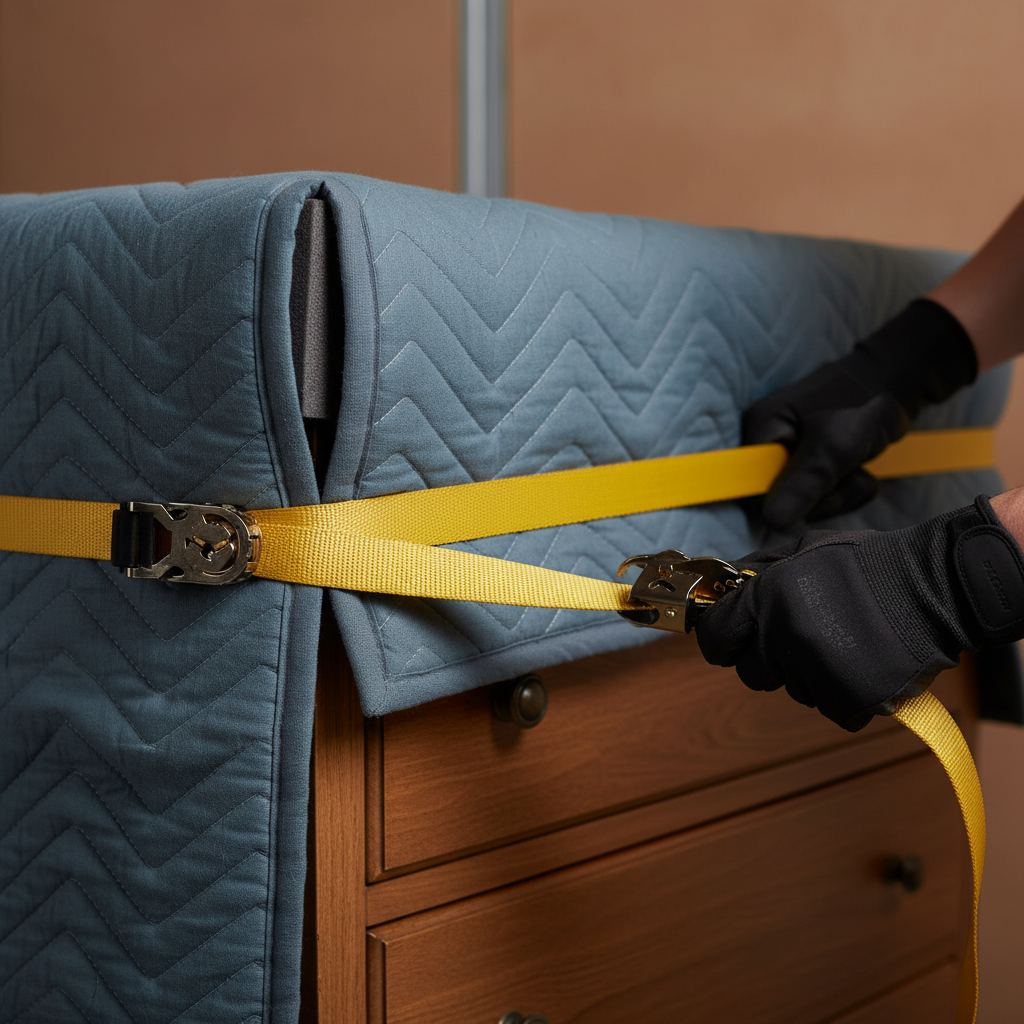
Furniture movers are specialists who pack, protect, and transport furnishings using pads, dollies, ramps, and liftgates. Their goal is zero damage and an on-time schedule, achieved through measured pathways, labeled inventory, and trained teamwork from door to door.
In practice, movers manage heavy lifting, doorway protection, and safe truck loading. They measure hallways—often 36–48 inches—pad corners with foam, and secure loads with straps typically rated 1,000–3,000 pounds. A standard sofa weighs 150–250 pounds; armoires can pass 300. Technique and leverage prevent strain and scrapes.
Local considerations for Oud Metha
- Reserve service elevators near Oud Metha Metro Station; many buildings assign 2–4 hour windows and request ID copies in advance.
- Avoid late-afternoon congestion; earlier starts reduce wait times for loading bays and elevators by 15–30%.
- Some communities near Karama Centre ask for move permits—submit documents a few days early to prevent gate delays.
Why Furniture Movers Matter in Dubai
Professional movers reduce risk in high-rise, access-controlled buildings by coordinating permits, protection, and timing. In Dubai towers and gated communities, elevator bookings, loading zones, and item protection are critical to finish on time without fines, claims, or repeat trips.
Dubai relocations often involve elevators, security desks, and tight loading bays. Door frames are commonly 32–36 inches wide; padding keeps paint and wood safe when angles are tight. Elevators carry 1,000–2,500 pounds, so crews plan tiers and trips to minimize cycles. During summer peaks, hydration and short breaks maintain performance and safety.
For step-by-step local moves beyond furniture alone, see our local moving guide for Dubai, which expands on community timing, building notices, and access authorization.
How Furniture Moving Works
A successful furniture move follows a clear sequence: survey and plan, protect and pack, load in balanced tiers, transport securely, then deliver, place, and reassemble. Each stage uses checklists to maintain pace, safety, and item condition from origin to destination.
Here’s the standard flow our teams use across villas and towers in Oud Metha, Ras Al Khor, Dubai Marina, and more:
- Pre-move survey: Measure key furniture, note fragile items, and confirm access rules. Dining tables (60–84 inches) often need leg removal; sectional sofas may separate into 2–4 modules.
- Protection: Wrap with quilted pads ~0.25–0.35 inches thick; reinforce seams with tape; add corner guards; shrink-wrap where fabric needs dust protection.
- Load strategy: Heavy items low and forward; mid-weight boxes (20–50 pounds) stacked by crush rating; straps set every 2–3 feet to prevent shift.
- Transport: Balanced weight across axles improves braking distance; well-sprung trucks reduce vibration that can loosen fasteners.
- Delivery: Floor runners protect 100–200 feet of corridor; furniture placed by room; beds and tables reassembled; hardware checked against bagged sets.
Want a deeper walkthrough for home relocations including appliances and decor? Our residential moving playbook outlines room-by-room sequencing and common pitfalls to avoid.
Types of Furniture Moving Services
Furniture moving spans residential, commercial, and international needs. Services range from in-home rearranging and single-item moves to full-home relocations, office restacks, storage shuttles, and export packing with custom crating for overseas shipping.
Common Dubai scenarios include villa-to-apartment downsizing, tower-to-tower upgrades, and weekend office restacks. Single-item moves—like 300-pound armoires or 8-foot conference tables—can require stair carries or hoists when elevators are undersized. International relocations add ISPM‑15-compliant crating, photo inventories, and moisture barriers for sea transit.
- Residential moves: Whole-home pack and move, including beds, sofas, dining sets, and wardrobes.
- Commercial/office: Desks, file cabinets, meeting tables, and equipment—often timed outside business hours.
- In-home rearranging: Move heavy pieces between rooms or floors; protect stairs and railings with pads and runners.
- Storage shuttles: Short- or medium-term storage between leases or while renovations finish.
- Export packing: Custom crates, moisture control, and itemized lists for overseas shipments.
Exploring options for consolidated shipping or sea freight? Our cargo shipping overview explains timelines and preparation for international legs when furniture is part of a broader relocation.
Best Practices for Zero-Damage Moves
Protect surfaces, plan routes, and isolate risk. Use floor runners on corridors, pads on furniture, and guards on doors. Map tight turns and elevator sizes in advance, then stage rooms so crews can clear 10–12 linear feet at a time without backtracking.
From field experience across Ras Al Khor and nearby communities, these habits keep items safe and schedules tight:
- Measure twice: A 2-inch miss on a 32–34 inch doorway can force disassembly. Confirm diagonal clearances for sofas and mattresses.
- Pad everything: Even sturdy dressers scuff. Four to six pads per large piece is common; wrap glass separately with foam.
- Label rooms: “Bedroom 1/2/3” labels cut placement time by 20–30% in most apartments.
- Box weight: Keep general boxes under 50 pounds for safe carries; use small cartons for books (15–25 pounds).
- Hardware bags: Zip bags taped to frames save 10–15 minutes per bed during setup.
- Electronics: Original boxes are ideal; otherwise, double-wall cartons with foam corners and anti-static wrap.
- Appliances: Drain washers 12–24 hours ahead; secure drums with transit bolts where applicable.
For shoppers comparing approaches, this independent moving checklist example shows how labeling and staging reduce re-handling, a principle we apply on every Dubai job.
Tools and Resources Movers Use
Crews rely on dollies, hand trucks, forearm straps, ramps, sliders, and padded blankets. Consumables include stretch wrap, tape, and foam. Checklists, photos, and simple inventory apps track pieces, while compact toolkits cover disassembly and reassembly.
On a typical two-bedroom move, we stage 20–30 pads, 2–3 dollies, and 1–2 ramps. A standard hand truck handles 500–600 pounds; appliance dollies rate up to ~800 pounds. Reassembly often needs hex keys, #2 Phillips drivers, and sockets for bed frames and tables. Sliders under sofa feet reduce friction by 30–40% on tile or laminate.
- Rigging aids: Forearm straps shift weight to larger muscle groups; piano boards stabilize tall, heavy pieces.
- Protection kit: Corner guards, edge foam, and cardboard sheets for tight doorways and elevator walls.
- Inventory tools: Photo logs and numbered labels make pickup-to-delivery matching fast and verifiable.
You can see another pre-move gear overview that mirrors many of these best-practice tools used by professional furniture movers.
Dubai-Specific Prep: Oud Metha and Ras Al Khor
Plan moves around building rules in Oud Metha and Ras Al Khor. Reserve service elevators, secure access permissions, and pre-clear parking. Heat-aware scheduling and water on hand keep crews efficient, while accurate item lists help community security process entry quickly.
We coordinate with building supervisors for protection materials, service elevator keys, and loading dock timing. Many towers schedule moves between 9 a.m. and 6 p.m. and request ID copies. Villas in Ras Al Khor often allow flexible windows but tighter gate checks on weekends. A 10–15 minute pre-brief with security can prevent 30–45 minutes of delays later.
Planning a broader relocation beyond furniture? See how we streamline quotes and timing in our local moving quotes guide to lock in elevator windows and dock slots with fewer back-and-forths.

DIY vs. Professional Furniture Movers
DIY can save on labor but increases risk and time. Professional movers bring protection, trained crews, and building coordination. For multi-room or high-rise moves, pros usually finish faster with fewer trips and less damage—especially when elevator and access timing is strict.
| Factor | DIY | Professional Movers |
|---|---|---|
| Time to complete | Often 1.5–2× longer | Optimized crews and sequence |
| Damage risk | Higher; limited padding/tools | Low; pads, guards, training |
| Access rules | Learning on the fly | Handled in pre-move plan |
| Heavy items | Back strain risk | Proper lifting aids |
| Accountability | Self-managed | Documented inventory |
Considering longer routes or interstate-style logistics? Our long-distance moving explainer outlines staging, line-haul timing, and why consolidated loads and tight inventories matter when furniture travels further.
Case Examples from Our Teams
Real Dubai moves show why planning matters: tight elevators, weekend gates, and fragile items. With measured pathways and staged rooms, our crews complete load-outs 20–30% faster and avoid rework, even with heavy sectional sofas and glass-top dining sets.
Apartment to villa (Oud Metha → Ras Al Khor): A 9th‑floor apartment to villa transfer allowed a two-hour elevator window. We padded fourteen large items, staged boxes by room, and finished loading in 3 elevator cycles instead of 5 by sequencing heavy-first tiers and pre-wrapping corners.
Office restack (weekend): For 12 workstations, we color-coded monitors and cables, reassembled six sit‑stand desks, and deployed 80 feet of runners across lobbies. Downtime stayed under a business day, with labeled stations powered by 5 p.m.
Single-item hoist: An 8‑foot conference table exceeded elevator limits. We padded edges, protected door frames, and used a stair carry with two landings, pausing to reset grips every 15–20 steps. Total hallway coverage: 120 feet of runners, zero wall marks.
Checklists and Prep You Can Do
Spend 60–90 minutes the day before move-out to declutter, label, and unplug. Clear walkways, group small items, and confirm elevator keys with building management. A tidy, staged home helps crews shave 30–60 minutes off total time.
- Label zones: Group “Open First” bins near exits; mark fragile sides on cartons.
- Measure path: Note the tightest doorway and any 90‑degree turns; compare against your largest item.
- Power & water: Unplug appliances and coil cords; drain washers 12–24 hours prior when applicable.
- Secure drawers: Empty over 25 pounds; tape sliding parts to prevent movement.
- Hardware hub: Keep remote controls and screws in one clear bin for quick setup.
Looking for a different perspective on move-day organization? Here’s a public moving checklist reference that echoes the benefits of clear pathways, staged rooms, and early utility checks.
Storage and Staging Options
Short-term storage bridges gaps between move-out and move-in dates. Climate-aware units protect wood and leather from heat. Staging items by room and priority helps crews load and unload logically, minimizing duplicate handling and keeping pathways clear.
In split moves, we often hold 10–30% of items in storage for a week, then deliver when renovations finish. Leather prefers stable temperatures; wood tables need airflow to reduce the chance of warping. Clear aisle planning—36 inches or wider—keeps dolly runs efficient and reduces turnaround times by 10–20%.
For broader storage and relocation planning around Dubai, our cargo shipping guide offers useful timing and consolidation ideas when furniture is part of a larger shipment or phased renovation.
FAQ: Furniture Movers in Dubai
Common questions cover preparation, building rules, item protection, and scheduling. The answers below explain how to get ready, what movers bring, and how timing works in Dubai buildings so your move-day runs smoothly and finishes on schedule.
How far in advance should I book?
Two weeks is a practical target in Dubai. Month-end and weekends fill fastest. Reserving 10–14 days out helps lock elevator windows and loading bays, especially in high-rise buildings with limited service elevators and strict scheduling rules.
Will movers disassemble and reassemble furniture?
Yes. Crews carry compact toolkits for bed frames, tables, and modular sofas. Small hardware is bagged and taped to frames so everything is ready for reassembly at delivery without searching through cartons.
How do movers protect my building?
Floor runners, wall and door guards, and elevator padding keep shared areas safe. Buildings often require advance notice, ID submission, and scheduled windows. Good planning prevents hallway congestion and keeps moves within the allotted time.
What about fragile items like glass and artwork?
Fragile pieces get double-wall cartons, foam corners, and labeled sides. Large glass or mirrors may be crated. We load these last-on/first-off to reduce handling and avoid stacking weight on top of them.
Key Takeaways
Great furniture moves are planned, padded, and precisely sequenced. Measure paths, label rooms, and reserve elevators. Trained teams with the right gear finish faster, protect buildings, and set up your furniture exactly where you want it—without unnecessary re-handling.
- Measure tight points and book service elevators early for smoother timelines.
- Pad, guard, and stage—these three steps prevent 90% of scuffs and delays.
- Room labels and “Open First” bins cut setup time by 20–30%.
- Pros coordinate building rules and finish in fewer trips with fewer risks.
Next Steps
Ready to move? Confirm your elevator window, list your largest items, and request a building-friendly plan. A quick survey call locks details so crews arrive with the right pads, runners, and tools for an on-time finish.
Soft CTA: Want a personalized plan for Oud Metha or Ras Al Khor? Our Service Zone UAE team will map your rooms, measure key pieces, coordinate with security, and stage an efficient sequence. Start with a brief assessment and a clear, written plan for move-day.