
Home repair plumbing is the practical upkeep and small-scale repair of household water systems—finding leaks, clearing minor clogs, and replacing simple parts to prevent damage. In Ras Al Khor, Service Zone UAE provides rapid-response plumbing and coordinated home maintenance so small problems don’t escalate. Start by shutting water, stabilizing the leak, then repair or call a licensed pro.
By Mohammed Ali — Service Zone UAE • Last updated: 2026-05-18
Start Here: Fix Small Leaks Fast
Act fast by shutting off water, containing the drip, and diagnosing the source. Stabilize with a bucket or tape wrap, then repair easy parts like a toilet flapper or P-trap gasket. If pressure lines, hidden pipes, or code-covered work are involved, call a licensed technician in Ras Al Khor.
When a pipe drips or a faucet hisses, speed matters. Even a slow drip can waste hundreds of gallons in weeks and raise indoor humidity. The safer path is simple: isolate water, protect finishes, confirm where the leak starts, and either complete a safe DIY fix or escalate to Service Zone UAE’s certified team.
Quick Summary
Home repair plumbing covers practical DIY tasks (minor leaks, clogs, and part swaps) plus clear decision points for when to hire a pro. This guide gives step-by-step instructions, tools lists, a DIY-versus-pro table, local tips for Ras Al Khor, and preventive schedules to keep your home protected year-round.
- What you’ll learn: how to spot leaks, shut water, perform safe fixes, and when to call a pro in Dubai.
- Why it matters: a drip per second can add up quickly and trigger mold within 24–48 hours in damp zones.
- What you need: basic hand tools, PTFE tape, sealants, and a decision framework for DIY vs pro work.
- Local angle: hard water, summer heat, and high usage patterns in Dubai demand earlier interventions.
What Is Home Repair Plumbing?
Home repair plumbing is the routine diagnosis and small-scale repair of household water systems. It includes replacing faucet cartridges, toilet flappers, and P-trap seals; clearing simple clogs; and checking shutoff valves—plus knowing when to escalate to licensed professionals for pressurized, concealed, or code-regulated work.
In plain terms, home repair plumbing blends prevention, diagnosis, and timely action. You’ll focus on simple, exposed parts that don’t require permits. Think trap joints under sinks, washers and cartridges in faucets, flexible hose gaskets, and toilet tank internals. These fixes reduce waste, prevent moisture damage, and extend fixture life.
- DIY-friendly components: faucet aerators and cartridges, toilet flappers and fill valves, flexible supply hoses, and P-trap gaskets.
- Escalate to pros: main shutoff issues, persistent leaks in walls, low pressure on multiple fixtures, sewer gas odors, backflow devices, and anything tied to local code.
- Service Zone UAE fit: Our Ras Al Khor team handles both urgent repairs and linked maintenance like painting, tile fixing, and carpentry if water impacts finishes.
Home repair plumbing also intersects with other trades. After a leak, grout may need re-sealing, drywall may require patching, and AC ducts might need moisture checks. A one-stop provider like Service Zone UAE helps you coordinate those steps without delays.
Why Home Repair Plumbing Matters in Dubai
Dubai homes face hard water mineral buildup, high seasonal heat, and intensive occupancy. Small leaks raise humidity, encourage mold within 24–48 hours, and damage finishes. Prompt, correct repairs save water, protect surfaces, and reduce disruption—especially when supported by a coordinated local team.
Here’s the thing: climate and usage patterns amplify small issues. Minerals can clog aerators, stain fixtures, and stiffen valves. Heat accelerates seal wear. A dripping supply line raises humidity that seeps into cabinets, warps wood, and softens grout. Acting within hours often means the difference between a quick part swap and a multi-trade restoration.
- Water waste adds up: A steady drip can total thousands of gallons over a year if ignored.
- Mold timeline is fast: In damp materials, spores can colonize in 24–48 hours after wetting.
- Finish damage is cumulative: Repeated wetting weakens caulk lines, grout, and cabinet substrates.
- Coordination reduces downtime: Service Zone UAE can repair the leak, then handle painting, tile, and carpentry follow-up without juggling multiple vendors.
We’ve found that Dubai families value quick stabilization and clear updates. Communication matters as much as the wrench—knowing what’s fixed now, what to monitor, and what to schedule next keeps homes comfortable and safe.
How a Home Plumbing System Works
Home plumbing splits into supply (pressurized clean water), fixtures (faucets, toilets, appliances), and drainage (traps, vents, and waste lines). Shutoff valves isolate sections for repair. Understanding these paths helps you diagnose symptoms and choose a safe DIY step—or decide when to call a licensed technician.
Think of three pathways:
- Supply: Pressurized water flows from the main or tank through shutoffs to fixtures. Failures here spray or seep under pressure.
- Fixtures: Faucets mix hot/cold, toilets refill tanks, and appliances cycle water. Wear parts here are DIY-friendly.
- Drainage and vents: Traps hold water to block sewer gas; vents balance pressure for smooth flow. Failures here drip without pressure or cause gurgling.
Match symptoms to systems. A constant hiss points to supply. A slow drip on a trap joint points to drainage. Sewer smells suggest a dry or misfitted trap. This simple map prevents guesswork and avoids unnecessary disassembly.
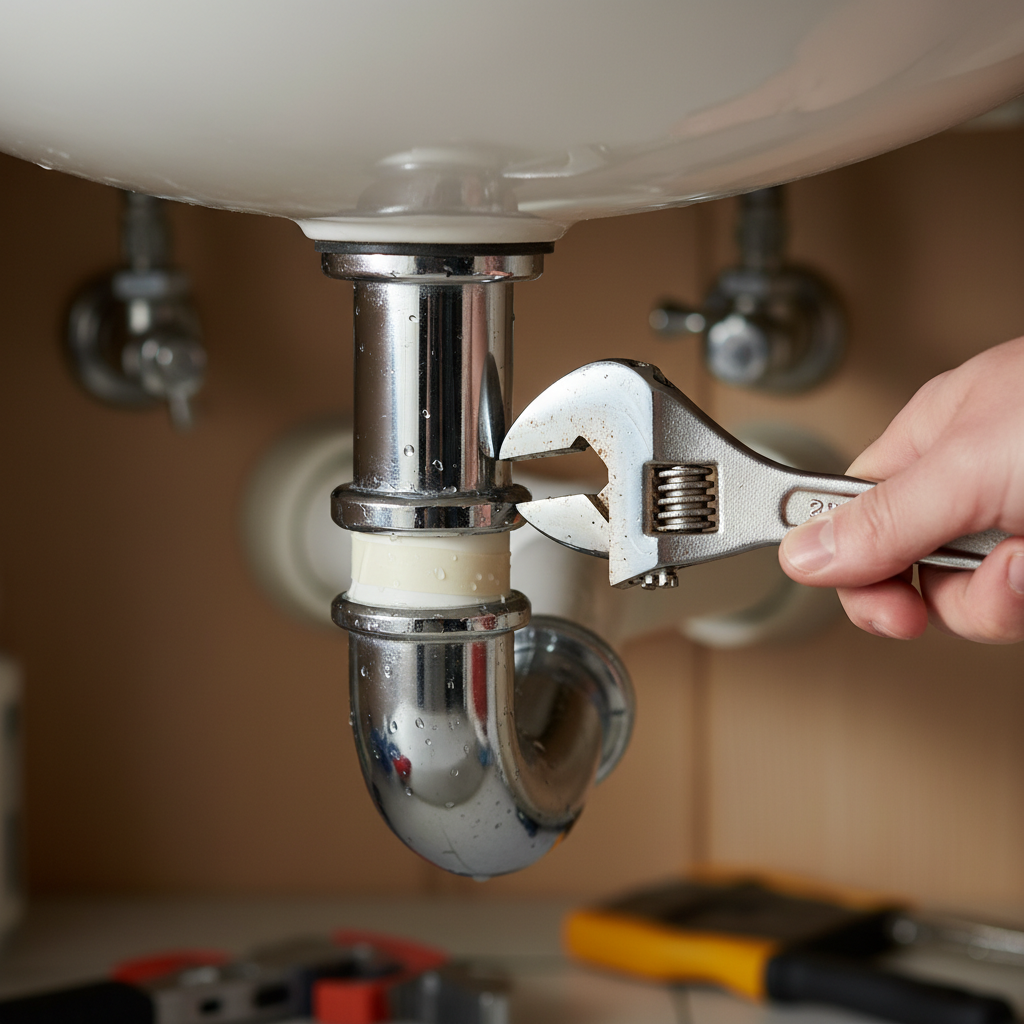
Types of Home Plumbing Repairs (DIY vs Pro)
DIY repairs cover exposed, non-pressurized parts and simple wear items. Licensed technicians should handle pressurized mains, hidden piping, gas-connected heaters, backflow devices, and code-regulated work. Use this section to classify tasks quickly and act with confidence.
DIY-safe examples
- Running toilet: Replace a worn flapper or adjust the fill valve; test with a dye tablet in the tank.
- Leaky faucet handle: Swap the cartridge or washer; clean mineral scale on seats and aerators.
- P-trap seep: Re-seat the gasket, reassemble hand-tight, then a quarter-turn with pliers—no over-tightening.
- Minor sink clog: Use a plunger or drain snake; avoid harsh chemicals that damage pipes and seals.
- Hose and gasket refresh: Replace washing machine hoses and dishwasher gaskets before they age out.
Pro-required scenarios
- Main shutoff or manifold problems: If a valve won’t close or weeps, call a licensed tech.
- Hidden leaks: Damp walls, ceilings, or persistent meter movement point to concealed supply failures.
- Sewer gas odors: Could signal venting issues or dry traps; needs expert diagnosis.
- Backflow devices and code-covered work: These protect water quality and must meet local standards.
- Water heater issues: Especially gas-connected units or safety valve concerns; prioritize professional service.
Not sure? Stabilize the area, document symptoms with photos, and call our Ras Al Khor team. We’ll confirm whether a same-day visit or scheduled maintenance makes the most sense.
Best Practices for Fast, Safe Fixes
Shut water first, verify zero pressure, then work methodically with the right tools and seals. Protect finishes, test for drips, and document the repair. For any uncertainty around code or safety, stop and bring in a licensed professional from Service Zone UAE.
- Shutoff discipline: Close the nearest valve, crack a faucet to relieve pressure, and verify the stop.
- Containment: Bucket, towels, and a tray protect cabinets and floors; moisture meters verify dryness.
- Seal strategy: Use PTFE tape on threaded joints (wrap clockwise), plumber’s putty or silicone per manufacturer guidance.
- Torque control: Hand-tight plus a small turn prevents chrome trap cracks or gasket distortion.
- Test and monitor: Wipe fittings dry, watch for beads of water over 5–10 minutes, and re-check after use.
- Finish follow-up: If water contacted grout or wood, schedule tile re-seal or carpentry touch-ups.
We document every critical repair with “before” and “after” photos and clear notes. That record helps you track patterns and schedule proactive replacement before failure repeats.
Tools and Resources You’ll Actually Use
A core toolkit—adjustable wrench, tongue-and-groove pliers, basin wrench, PTFE tape, plunger, and a small auger—handles most small plumbing fixes. Add sealants, towels, and a flashlight. Keep your local Ras Al Khor service contact ready for escalations.
- Hand tools: adjustable wrench, basin wrench (for hard-to-reach faucet nuts), tongue-and-groove pliers.
- Consumables: PTFE tape, plumber’s putty, silicone sealant, spare washers, and cartridges for common faucets.
- Drain tools: a quality plunger and a 15–25 ft handheld auger tackle most sink and shower clogs.
- Support gear: flashlight, towels, trays, moisture meter, and non-contact voltage tester near disposals.
- References: fixture manuals and your local pro’s number for quick handoffs when needed.
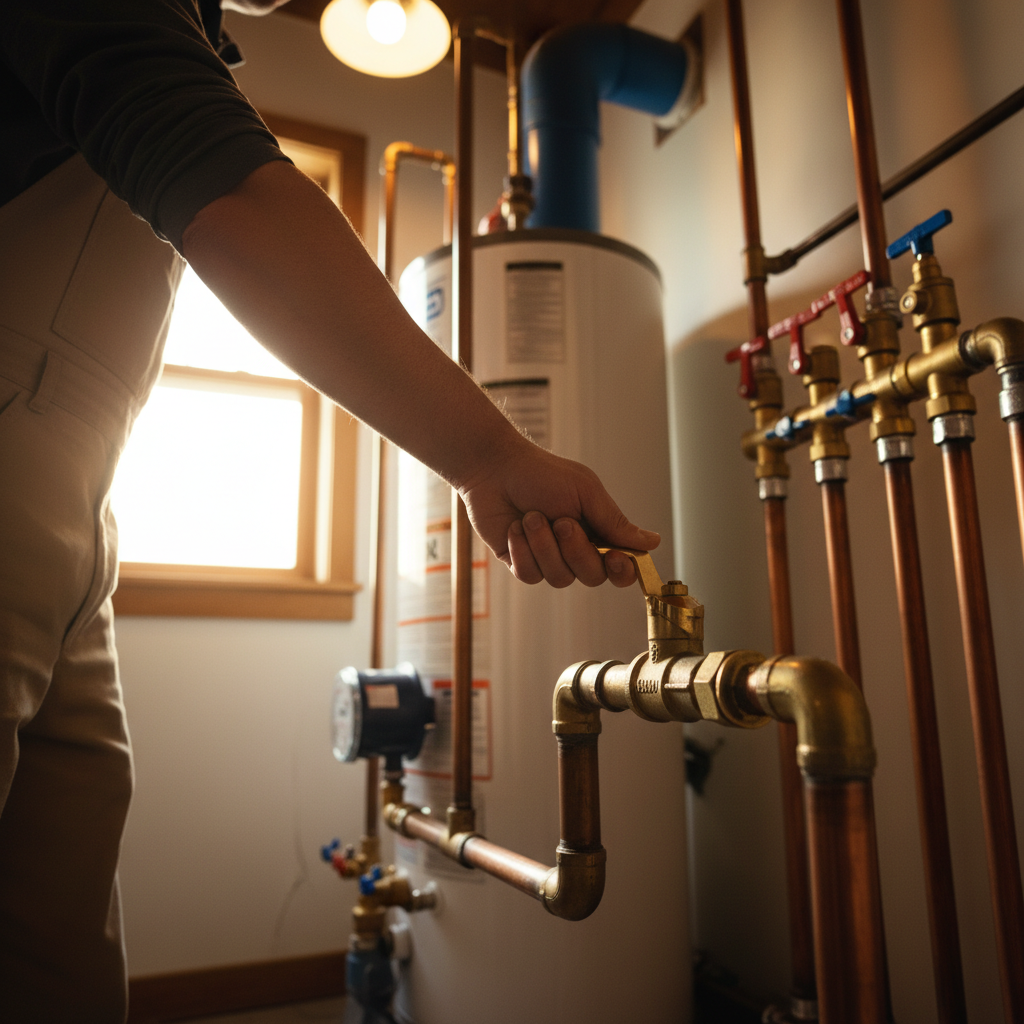
For deeper DIY reading on leak basics, see the practical breakdowns from Everest Plumbing’s leak guide; it reinforces the fundamentals you’ll apply at home.
How to Perform the 5 Most Common Fixes
Master five repairs: replace a toilet flapper, swap a faucet cartridge, reseat a P-trap, clear a minor clog, and refresh washer hoses. Each takes measured steps—shut water, disassemble carefully, reseal, reassemble hand-tight, and test thoroughly before returning the fixture to service.
1) Replace a toilet flapper (running toilet)
- Shut the supply at the tank; flush to empty the bowl and tank.
- Unclip the old flapper, clean the seat, and fit the new one.
- Adjust chain slack so the flapper closes fully; reopen water and test.
2) Swap a faucet cartridge (drip at spout)
- Shut water at supply stops; plug the drain to catch screws.
- Remove handle and retaining clip; pull the cartridge straight out.
- Clean mineral scale; seat the new cartridge; reassemble and test.
3) Reseat a P-trap (drip under sink)
- Place a tray; loosen slip nuts; inspect and clean the gasket surfaces.
- Re-seat gaskets; reassemble hand-tight; add a quarter-turn with pliers.
- Run water; watch joints for 5–10 minutes; re-tighten lightly if needed.
4) Clear a minor clog (slow drain)
- Use a plunger with a firm seal; try several cycles.
- Feed a handheld auger slowly; rotate to snag hair or debris; withdraw carefully.
- Flush with warm water; reassemble any trap parts you removed.
5) Refresh washer hoses (prevent bursts)
- Shut supplies; release pressure; unthread old hoses.
- Install new hoses with fresh gaskets; hand-tighten, then a small turn.
- Open valves; check for beads of water around connections.
For a simple diagnostic flow on finding leak sources, this how-to on finding leaks provides a homeowner-friendly checklist to pair with the steps above.
DIY vs Pro: A Clear Decision Guide
Use DIY for exposed, non-pressurized parts and simple wear items. Choose a licensed Service Zone UAE plumber for pressurized or concealed lines, sanitation systems, safety devices, and any code-governed work. When in doubt, stabilize the area and call.
| Scenario | DIY or Pro | Reason | Next Best Step |
|---|---|---|---|
| Drip at P-trap slip nut | DIY | Non-pressurized, accessible joint | Re-seat gasket; hand-tight + 1/4 turn |
| Running toilet | DIY | Simple wear parts in tank | Replace flapper; adjust fill valve |
| Supply line leaking in wall | Pro | Concealed, pressurized piping | Shut main; call licensed tech |
| Sewer gas odor | Pro | Possible venting/trap failures | Schedule diagnosis and smoke test |
| Backflow device service | Pro | Code and safety critical | Certified testing and documentation |
| Low pressure at multiple taps | Pro | Systemic issue beyond fixture | Assess main, regulator, filter |
For context on long-term benefits of fixing leaks properly, see this discussion on leak repairs and home protection that underscores timely intervention.
Mini Case Studies from Ras Al Khor
Fast stabilization plus coordinated follow-up prevents secondary damage. These real scenarios from Ras Al Khor show how quick diagnosis and same-day action averted cabinet swelling, excess water use, and drywall damage—while our multi-trade team handled finish repairs without delays.
- Kitchen trap seep: A small bead formed at the P-trap every few minutes. We re-seated the gasket and corrected over-torque. Result: no more drip, and the wood cabinet base stayed dry.
- Toilet ghost flush: Intermittent filling pointed to a worn flapper. We replaced it and verified dye test integrity. Result: water consumption normalized and the hiss stopped.
- Laundry pinhole: A pinhole in a braided hose dampened drywall. We shut the manifold, replaced hoses, dried the cavity, and our carpenters patched and painted the surface seamlessly.
Because Service Zone UAE covers plumbing, painting, tile repair, and carpentry, homeowners avoided scheduling gaps. We’ve found that a single, accountable team reduces total downtime and stress.
Preventive Maintenance Schedule (Dubai Homes)
A simple schedule—monthly leak checks, quarterly aerator cleaning and drain maintenance, and annual water-heater flushing—prevents most surprises. Pair routine tasks with finish care like grout re-sealing in wet areas to stop water migration behind surfaces.
Monthly
- Check the water meter for silent leaks (verify no movement when all fixtures are off).
- Inspect under-sink cabinets and around toilets for moisture or musty odors.
- Test GFCI outlets near wet zones and confirm disposal wiring is safe.
Quarterly
- Clean faucet aerators and showerheads to remove mineral scale; restore flow and pattern.
- Flush seldom-used floor drains with water to keep traps primed (prevents sewer gas).
- Inspect washing machine and dishwasher hoses and gaskets; replace at first signs of cracking.
Annually
- Flush the water heater to remove sediment; confirm the temperature is around 120°F.
- Exercise main and fixture shutoffs so they don’t seize.
- Inspect grout and caulk in showers, tubs, and splash areas; Service Zone UAE can re-seal and re-grout where needed.
These routines are small investments of time that pay off in reliability. Capture photos, label shutoffs, and keep a maintenance calendar so nothing slips.
How Service Zone UAE Supports Your Home
We combine rapid-response plumbing with coordinated trades—painting, tile fixing, carpentry, AC, and electrical—so one call resolves the leak and the follow-up repairs. You get clear communication, first-time-right delivery, and minimal downtime in Ras Al Khor and across Dubai.
- Single point of contact: Plumbing, finish repairs, and any AC/electrical safety checks under one roof.
- Emergency response: Fast stabilization to protect cabinets, floors, and walls.
- Transparent updates: You’ll know what’s done today, what to monitor, and what we’ll schedule next.
- Whole-home care: If moisture affected tiles or paint, our specialists restore surfaces to match.
Our approach fits homeowners, tenants, and property managers who want dependable schedules and accountable results. Most repairs are resolved same day or within a coordinated window that suits your routine.
Local Tips and Considerations
In Ras Al Khor, plan around hard water, summer heat, and building access windows. Keep shutoff locations labeled, photo-log past repairs, and schedule preventive checks before peak heat—your fixtures and seals will thank you.
Local considerations for Ras Al Khor
- Plan maintenance before peak summer to reduce seal fatigue from heat and heavy AC usage.
- Label unit and fixture shutoffs; keep photos on your phone for fast isolation during a leak.
- Coordinate building access windows early so technicians can reach risers and manifolds without delays.
We’ve worked across Dubai communities and see the same patterns: clear labels, early scheduling, and quick communication make every repair smoother.
Safety and Compliance Essentials
Prioritize personal safety, electrical isolation near wet zones, and basic hygiene. Respect code-governed work like backflow devices and gas-connected water heaters. When in doubt, pause and contact a licensed plumber to prevent hazards or non-compliant outcomes.
- Electric + water: If water contacted outlets or appliances, isolate power and confirm safety before use.
- Ventilation: Dry wetted areas promptly; target a 24–48 hour dry-out to deter mold growth.
- Materials handling: Wear gloves and eye protection; dispose of soaked materials that won’t dry fully.
- Documentation: Keep notes and photos; they help track warranties and recurring issues.
These practices are simple but critical. We emphasize them with every job to protect occupants and the property.
Printable Checklist: Leak-to-Repair Workflow
Use a consistent workflow: 1) Isolate water, 2) Contain and protect, 3) Diagnose supply vs drain, 4) Repair or escalate, 5) Test and document, 6) Schedule finish restorations if needed. Repeat this pattern for reliable, low-stress outcomes.
- Shut water at fixture or main; verify zero pressure.
- Place tray, towels, and a bucket; protect finishes.
- Identify supply vs drain source; inspect gaskets and cartridges.
- Perform safe DIY or call Service Zone UAE for pro-required work.
- Run and observe; check for beads of water for 5–10 minutes.
- Photo-log repair; note future maintenance dates (aerator cleaning, hose refresh).
If you prefer a quick refresher, this concise article on delaying plumbing emergencies aligns well with the checklist above.
Frequently Asked Questions
These answers cover the most common homeowner questions: first steps in a leak, when to DIY, how to prevent mold, and whether chemical drain cleaners are safe. Each response is concise and action-centered for fast decisions.
What’s the first step when I see a leak?
Shut water at the nearest fixture valve or the main, then contain the drip with a bucket and towels. Verify pressure is off, identify whether the source is a supply or drain, and either perform a safe DIY fix or call a licensed plumber.
How fast can mold start after a plumbing leak?
In damp materials, mold can begin to colonize within 24–48 hours. Dry the area promptly, ventilate well, and use a moisture meter to confirm that surfaces return to normal levels before closing cabinets or repainting.
Are chemical drain cleaners safe for home use?
They can damage seals and certain pipe materials and may create splash hazards. A plunger or handheld auger is safer. If a clog persists after basic steps, schedule a professional drain service to avoid pipe damage and exposure risks.
When should I call Service Zone UAE instead of trying DIY?
Call for pressurized or concealed leaks, gas-connected water heaters, backflow devices, sewer odors, or low pressure across multiple fixtures. Also call if a shutoff won’t close or any repair touches code-required components or documentation.
What temperature should I set my water heater to?
120°F is a commonly recommended setpoint that balances comfort, energy use, and scald risk. If you have special health considerations or appliances with specific requirements, consult the manufacturer’s guidance or a licensed technician.
Key Takeaways and Next Steps
Small leaks become big problems when ignored. Shut water fast, fix what’s safe, and call a pro for pressurized or concealed issues. Document everything and follow a simple preventive schedule. One call to Service Zone UAE coordinates plumbing and finish repairs without delays.
- Shutoffs, containment, and calm diagnosis reduce damage in the first 10 minutes.
- DIY tasks: toilet flappers, faucet cartridges, trap gaskets, and minor clogs.
- Pro tasks: mains, hidden lines, gas heaters, backflow, and sewer odors.
- Schedule maintenance before peak summer; re-seal grout and check hoses annually.
- Keep our Ras Al Khor team on speed dial for coordinated multi-trade support.
Need hands-on help today?
If you’re dealing with an active leak or uncertain diagnosis in Ras Al Khor, contact Service Zone UAE. We’ll stabilize the issue fast and coordinate any follow-up repairs—plumbing, tile, painting, carpentry, AC, or electrical—so you only make one call.
Mid-article assistance: Prefer a pro? Reach out to our licensed plumbers in Ras Al Khor for same-day support and coordinated finish repairs.
Related Articles and Next Reads
Explore connected maintenance topics that protect wet areas and finishes—like tile re-sealing, carpentry repairs after leaks, and AC moisture control. Coordinating these trades with plumbing repairs prevents repeat issues and restores your home faster.
After addressing a leak, many homes benefit from grout and tile checks around showers and splash zones, repainting moisture-exposed walls, and quick carpentry touch-ups. Because Service Zone UAE provides tile fixing, painting, carpentry, AC, and electrical services alongside plumbing, you can restore surfaces and systems in one coordinated plan.